
Get Storm Damage Roof Tarping in Wilmington, DE
Storm damage roof tarping services help Wilmington property owners quickly protect damaged roofs from further harm caused by wind, hail, or heavy rain.
Storm damage can leave property owners in Wilmington, DE, facing urgent concerns about roof integrity and protection. When unexpected weather events cause damage to a roof, securing a sturdy tarp can help safeguard the property from further harm, such as leaks or structural issues. Property owners exploring options for quick, reliable solutions may find it helpful to compare local contractors experienced in storm damage tarp services, ensuring they choose a provider suited to their specific needs.
Planning a roof repair or protection project after storm damage involves evaluating the available local options to find experienced service providers. Whether dealing with immediate needs or preparing for potential weather challenges, property owners are encouraged to review the offerings of nearby contractors who specialize in storm damage tarp services. Continuing to explore these options can help ensure the right solution is in place to protect the property effectively.
- Storm Damage Roof Tarping - needed after severe weather or hail to protect a compromised roof until repairs can be made.
- Wind-Related Roof Damage - required when high winds tear off shingles or cause leaks in neighborhoods across Wilmington, DE.
- Hail Damage Tarping - necessary following hailstorms to prevent further water intrusion into homes and businesses.
- Post-Storm Emergency Tarping - essential when a storm leaves a roof vulnerable, helping to prevent interior damage in flood-prone areas.
- Roof Leak Prevention - sought when minor damage from storms develops into larger leaks, requiring quick protective measures.
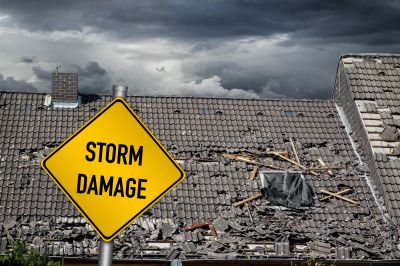
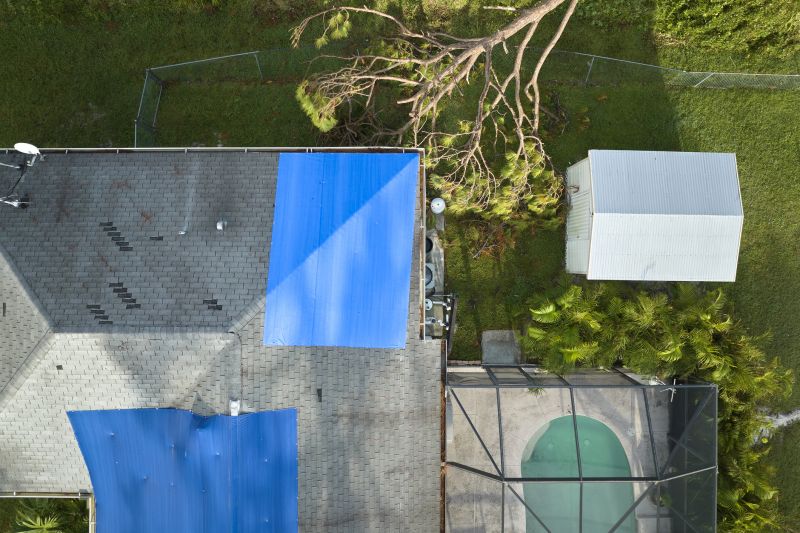
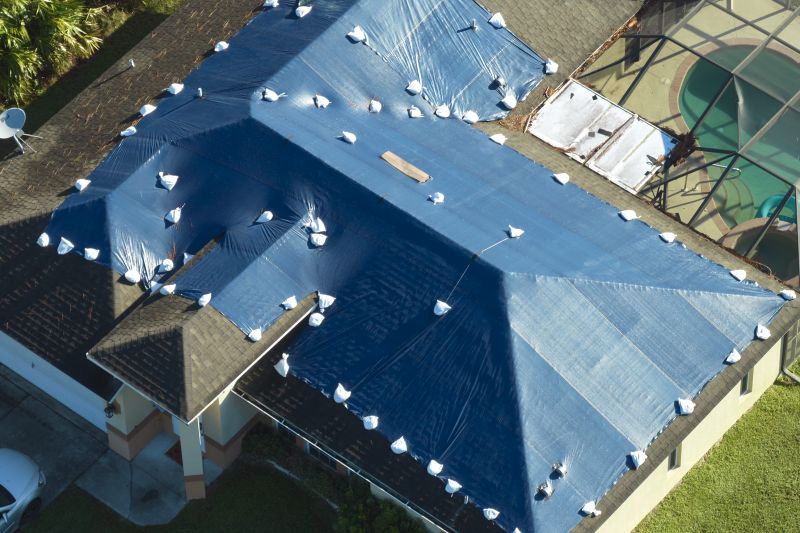
Storm damage roof tarping services involve the quick installation of a protective tarp over a damaged or compromised roof. This temporary covering is designed to shield the interior of a property from further water intrusion, wind damage, and other elements following severe weather events such as storms, hail, or high winds. The process typically includes assessing the extent of the damage, selecting an appropriate tarp material, and securely fastening it to ensure it remains in place until permanent repairs can be made. These services are essential for preventing additional damage and minimizing the risk of interior issues like mold, rot, or structural deterioration.
This service helps address a variety of roofing problems caused by storm activity. When a roof sustains a tear, hole, or significant shingle loss, it can leave the underlying structure exposed to the elements. Storm damage roof tarping provides a fast solution to protect the property from ongoing water leaks and wind-driven debris. It is particularly useful when immediate repairs are not yet possible, such as during bad weather or when waiting for replacement materials. By acting quickly, property owners can reduce the potential for costly repairs and avoid further deterioration of their roofs and interiors.
Typically, storm damage roof tarping is used on residential homes, especially those in areas prone to severe weather. It is also common for multi-family buildings, small commercial properties, and even some institutional facilities that need urgent protection after a storm event. Properties with flat or low-slope roofs often require specialized tarping solutions to ensure a proper seal. Homeowners and property managers who notice missing shingles, visible damage after a storm, or leaks inside their building are advised to consider storm damage tarping services as a temporary safeguard until permanent repairs can be completed.
When property owners face unexpected storm-related roof damage, contacting local contractors who offer storm damage roof tarping can be a practical step. These service providers are equipped to handle emergency situations, providing a quick and effective barrier against the elements. This service is especially helpful for properties that need immediate protection to prevent water intrusion, structural issues, or further storm-related damage. By connecting with experienced local pros, property owners can ensure their roofs are safeguarded until permanent repairs are scheduled, helping to preserve the integrity and value of their property.
The overview below groups typical Storm Damage Roof Tarping projects into broad ranges so you can see how smaller, mid-sized, and larger jobs often compare in Wilmington, DE.
In many markets, a large share of routine jobs stays in the lower and middle ranges, while only a smaller percentage of projects moves into the highest bands when the work is more complex or site conditions are harder than average.
Smaller Repairs - Typical costs for minor storm damage tarpings in Wilmington often range from $250 to $600. Many routine jobs fall within this middle range, covering small tears or minor leaks. Fewer projects tend to exceed this band unless additional repairs are needed.
Moderate Projects - Larger, more involved tarpings for moderate storm damage usually cost between $600 and $1,200. These projects often include extensive patching or multiple areas of concern and are common in the local area. Higher-end costs are less frequent but may involve complex access or additional materials.
Large or Complex Jobs - For significant storm damage requiring extensive tarping or multiple repairs, prices can range from $1,200 to $3,000. Such projects are less common but necessary for severe damage or difficult-to-reach roofs. Local service providers may charge more for added complexity or expedited service.
Full Roof Tarping or Replacement - Complete roof tarping or full replacements after severe storms can cost $3,000 or more, with larger projects reaching $5,000+. These are typically reserved for extensive damage and are less frequent, but local contractors can handle these larger-scale jobs when needed.
Actual totals will depend on details like access to the work area, the scope of the project, and the materials selected, so use these as general starting points rather than exact figures.
Emergency roof repair - local contractors skilled in quick response and temporary protective coverings can help prevent further damage after severe weather events.
Roof patching and sealing - service providers experienced in sealing leaks and cracks use similar tools and planning to secure damaged roofs temporarily.
Storm damage assessment - local pros conducting damage inspections utilize comparable skills to evaluate the extent of roof deterioration caused by storms.
Debris removal from roofs - professionals trained in safely clearing debris from rooftops use similar safety procedures and planning as tarp installation projects.
Water intrusion mitigation - specialists working to prevent water damage employ similar techniques to protect roofs during and after storm events.
Roof waterproofing services - contractors applying protective coatings and barriers share planning and tools with storm damage tarp installation to enhance roof durability.
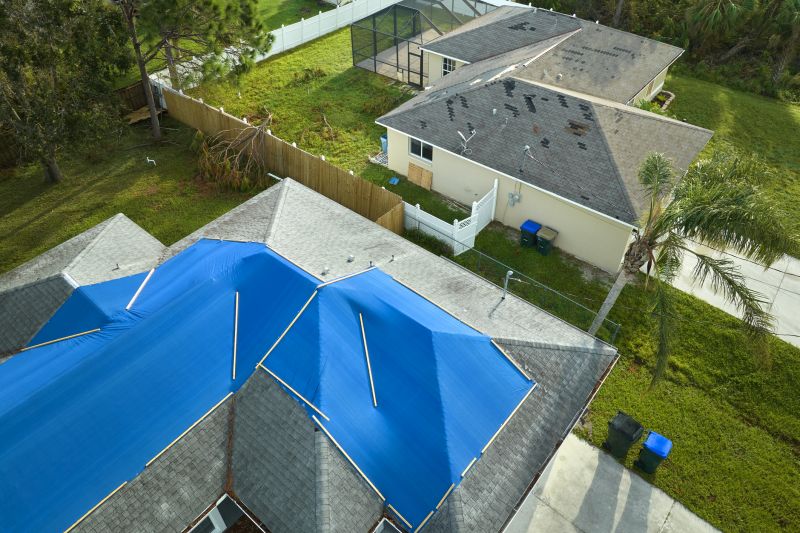
When evaluating contractors for storm damage roof tarping services in Wilmington, DE, it’s important to consider their experience with similar projects. Homeowners should seek out service providers who have a proven track record handling storm-related roofing issues, as this indicates familiarity with the unique challenges that such damage can present. An experienced contractor will understand the best methods for quickly and effectively installing tarps to protect the home from further weather exposure, reducing potential for additional damage.
Clear, written expectations are essential when comparing local contractors for storm damage roof tarping. Homeowners should look for service providers who can offer detailed descriptions of the work scope, materials used, and any steps involved in the process. Having this information in writing helps ensure everyone is aligned on what will be done, avoiding misunderstandings or surprises later on. Transparent communication about the scope and process can also serve as an indicator of professionalism and reliability.
Reputable references and strong communication skills are key factors in selecting a dependable contractor. Homeowners are encouraged to ask for references from past clients who had similar storm damage repairs completed. Speaking with previous customers can provide insights into the contractor’s workmanship, reliability, and how well they communicated throughout the project. Good communication - including responsiveness and clarity - helps ensure that homeowners can stay informed and comfortable throughout the process. It’s worth noting that this site introduces homeowners to local service providers who can handle the work, rather than performing the work directly.
Property owners in Wilmington, DE use Storm Damage Roof Tarping services for practical projects around their homes and businesses. This guide focuses on everyday jobs and straightforward project options.
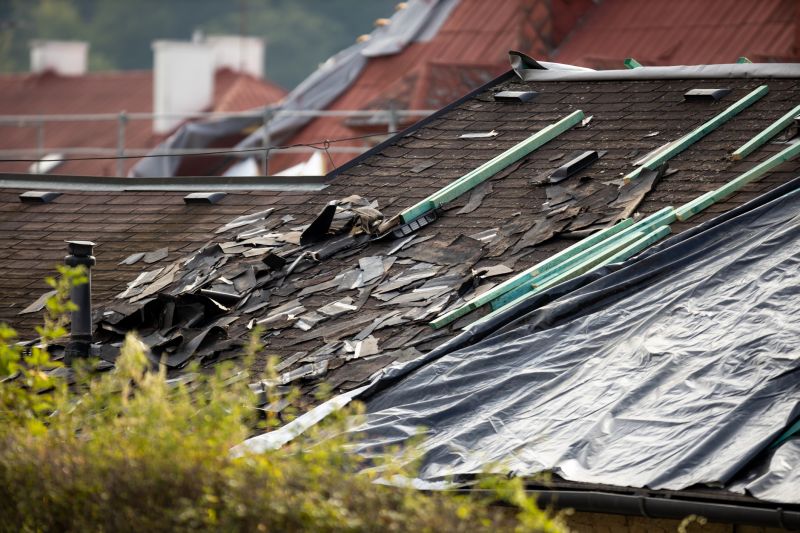
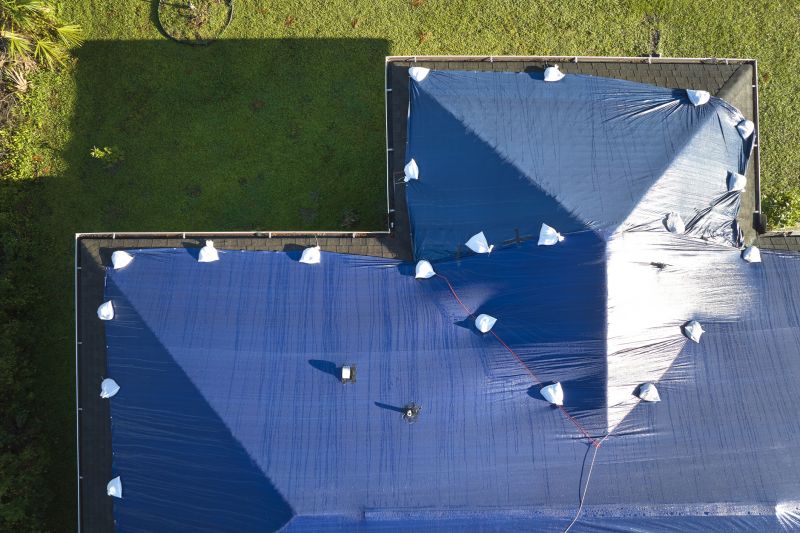
Storm damage roof tarping services are often sought after by property owners in Wilmington, DE, following severe weather events such as heavy storms, high winds, or hail. When a storm causes missing shingles, cracks, or other damage to a roof, local contractors can quickly provide temporary protection to prevent further issues like leaks or interior water damage. Homeowners and business owners alike turn to nearby service providers to secure their properties and minimize the risk of additional harm until permanent repairs can be scheduled.
In addition to storm-related incidents, property owners may look for roof tarping when dealing with unexpected damage from fallen tree limbs or debris striking the roof during windy conditions. These situations can leave roofs vulnerable and exposed to the elements, making prompt temporary coverage essential. Local contractors are equipped to handle these situations efficiently, helping property owners protect their investments and avoid costly repairs caused by water infiltration or structural deterioration.
What is storm damage roof tarping? Storm damage roof tarping involves covering damaged areas of a roof with a tarp to prevent further water intrusion and protect the interior of the building.
When should roof tarping be considered after storm damage? Roof tarping is typically recommended immediately after storm damage is identified to minimize additional water-related issues and structural deterioration.
How do local contractors install storm damage roof tarps? Contractors assess the damage, secure the tarp over affected areas, and ensure it is properly fastened to withstand weather conditions and provide effective coverage.
What types of tarps are used for storm damage roof repairs? Heavy-duty, waterproof tarps designed for outdoor use are commonly employed to provide durable and reliable protection against the elements.
Can storm damage roof tarping prevent further damage? Yes, properly installed tarps can help prevent water from entering the building, reducing the risk of additional damage until permanent repairs can be made.
Temporary Roof Covering - Property owners can use storm damage roof tarping to quickly shield their homes from further water intrusion after a storm.
Emergency Protection - When a tree falls onto a roof or shingles are torn away, local contractors can provide immediate tarping to prevent additional weather-related damage.
Pre-Repair Safeguarding - Homeowners preparing for permanent roof repairs can have a tarp installed to protect the interior and structural components during the repair process.
Insurance Claim Support - Property owners can rely on service providers to help secure their roof temporarily, supporting insurance claims and avoiding further damage costs.
If you are thinking about Storm Damage Roof Tarping for a property in Wilmington, DE, this guide is meant to help you understand the work, the typical project types, and how different options might fit your plans.
When you are ready, you can use the quote form on this page to share a few details about your project. From there, local pros can review the basics and respond with options that match what you have in mind.